
Pharmacy Blog
Sleep & Insomnia Disorders: Causes, Symptoms, Treatments & Complete Guide (2026)
Mar
Sleep & Insomnia Disorders: Complete Guide to Causes, Symptoms & Treatments
Table of Contents
What is Insomnia?
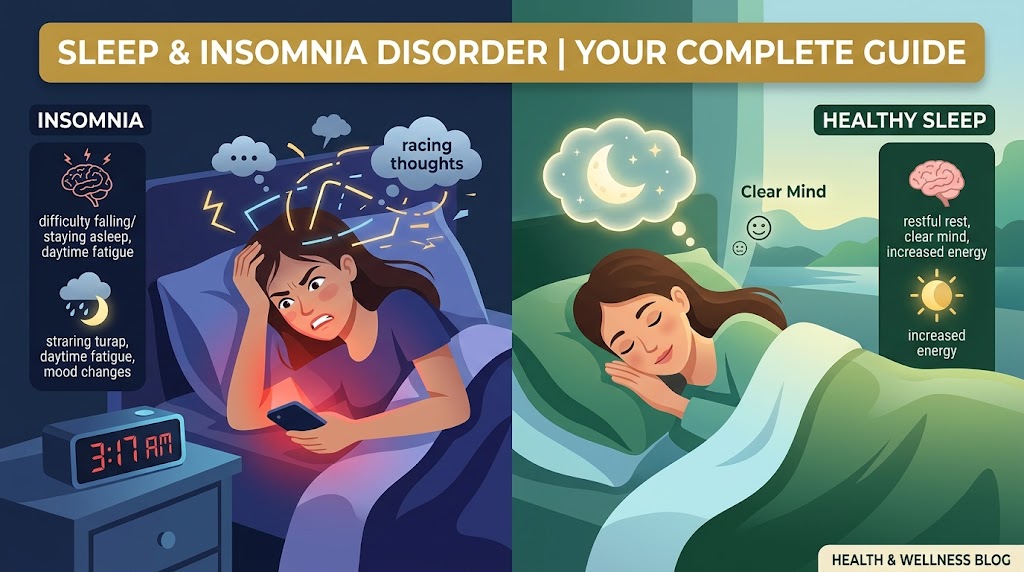
Insomnia is a common sleep disorder that affects the ability to fall asleep, stay asleep, or achieve restful sleep. It can be short-term or chronic, depending on its duration and underlying causes. Individuals with insomnia often experience fatigue, difficulty concentrating, mood disturbances, and reduced productivity, which can significantly impact daily life.
Sleep is essential for physical and mental health, and consistent disruptions can lead to long-term health issues. Understanding insomnia and its contributing factors is the first step toward effective management and improved sleep quality.
Types of Sleep Disorders
Sleep disorders encompass a wide range of conditions beyond insomnia. Acute insomnia is short-term and often triggered by stress or life events, while chronic insomnia persists for weeks or months. Other disorders include sleep apnea, restless legs syndrome, and circadian rhythm disorders, each affecting sleep patterns in different ways.
Identifying the type of sleep disorder is crucial for determining the appropriate treatment approach and achieving better outcomes.
Causes of Insomnia
Insomnia can result from various factors, including stress, anxiety, depression, irregular sleep schedules, and lifestyle habits such as excessive screen time or caffeine consumption. Medical conditions, medications, and environmental factors like noise or light can also disrupt sleep patterns.
Understanding these causes helps individuals address underlying issues and develop strategies to improve sleep quality. In many cases, a combination of factors contributes to insomnia, making a comprehensive approach to treatment essential.
Symptoms of Insomnia
- Difficulty falling asleep
- Frequent waking during the night
- Waking up too early
- Daytime fatigue and sleepiness
- Difficulty concentrating
- Irritability or mood changes
These symptoms can vary in severity and frequency, but persistent issues should be evaluated by a healthcare provider.
Treatment Options
Treatment for insomnia often involves a combination of behavioral therapies, lifestyle changes, and, in some cases, medications. Cognitive behavioral therapy for insomnia (CBT-I) is considered one of the most effective approaches, helping individuals identify and change negative thought patterns related to sleep.
Medications may be prescribed for short-term use to help regulate sleep patterns, but they should always be used under medical supervision. The goal of treatment is to address the root cause and establish healthy sleep habits.
Lifestyle Improvements for Better Sleep
Improving sleep hygiene is a key component of managing insomnia. This includes maintaining a consistent sleep schedule, creating a comfortable sleep environment, limiting screen time before bed, and avoiding stimulants such as caffeine and nicotine in the evening. Regular physical activity and relaxation techniques, such as meditation or deep breathing, can also promote better sleep.
By making these adjustments, individuals can significantly improve their sleep quality and overall well-being.
For more related resources, visit:
Explore Health & Treatment Resources
Improve Your Sleep Quality Naturally
Discover trusted strategies and professional guidance for managing insomnia and achieving restful sleep.
Always consult a licensed healthcare provider before starting any medication.
Frequently Asked Questions
What is insomnia?
Insomnia is a disorder that makes it difficult to fall asleep, stay asleep, or get restful sleep.
What causes sleep disorders?
Common causes include stress, anxiety, medical conditions, and poor sleep habits.
How can insomnia be treated?
It can be managed through therapy, lifestyle changes, and medications prescribed by a healthcare provider.
Conclusion
Sleep and insomnia disorders can significantly affect overall health and quality of life. By understanding their causes, symptoms, and treatment options, individuals can take proactive steps to improve their sleep and well-being. A combination of healthy habits, professional guidance, and appropriate treatment can lead to long-lasting improvements in sleep quality.
sleep disorder treatment, insomnia relief medication, sleep aid tablets, nighttime sleep support, restful sleep medication, deep sleep therapy pills, sleep improvement tablets, insomnia treatment options, sleep cycle regulation meds, night rest support pills, sleep disorder prescription meds, sleep wellness tablets, where to get sleep medication, best insomnia pills, affordable sleep aids, sleep therapy medication, safe insomnia treatment, overnight sleep meds delivery, zolpidem tablets, eszopiclone medication, sleep therapy prescription, order sleep medication, generic sleep tablets, low cost insomnia meds, USA sleep pharmacy, UK sleep aid supplier, Canada insomnia treatment, Australia sleep medication, India sleep tablets, daily sleep support, long term insomnia care, prescription sleep drugs, melatonin vs sleeping pills, best sleep treatment options, fast acting sleep aid, insomnia medication alternatives, top sleep meds 2026, high strength sleep tablets, nighttime therapy medication, trusted sleep pharmacy, fast delivery sleep meds, budget insomnia tablets, low price sleep medication, private sleep treatment, discreet sleep support options